

Exploring the mystery of Pictish stones across the Highlands and Moray
The Picts remain Scotland's most enigmatic early people. Emerging into history during the Roman era, they left behind no written chronicles of their own history, leaving us to piece together their world through the accounts of external writers and their most remarkable physical legacy: beautifully carved monument stones. Dotted across the landscape of the Highlands and Moray, these ancient structures feature intricate symbols, mythical beasts, and early Christian artistry. Exploring these stones allows us to trace the sophisticated craftsmanship of early Scotland.
Who were the Picts?
The Picts were tribal peoples who inhabited Scotland from around the 3rd to the 9th centuries. Their name comes from the Latin Picti, meaning 'painted people', likely a reference by Roman writers to body paint or tattoos. They eventually merged with the Gaelic kingdom of Dál Riata to create the foundations of Scotland itself.
What are Pictish stones?
Pictish stones are monumental carved boulders and slabs featuring symbols, geometric designs, animals, and — in later centuries — Christian cross artwork. Because they left no surviving written language of their own, much of what we know of Pictish life comes from these stones — making each one a direct window into a vanished culture.
Where is the largest Pictish stone in Scotland?
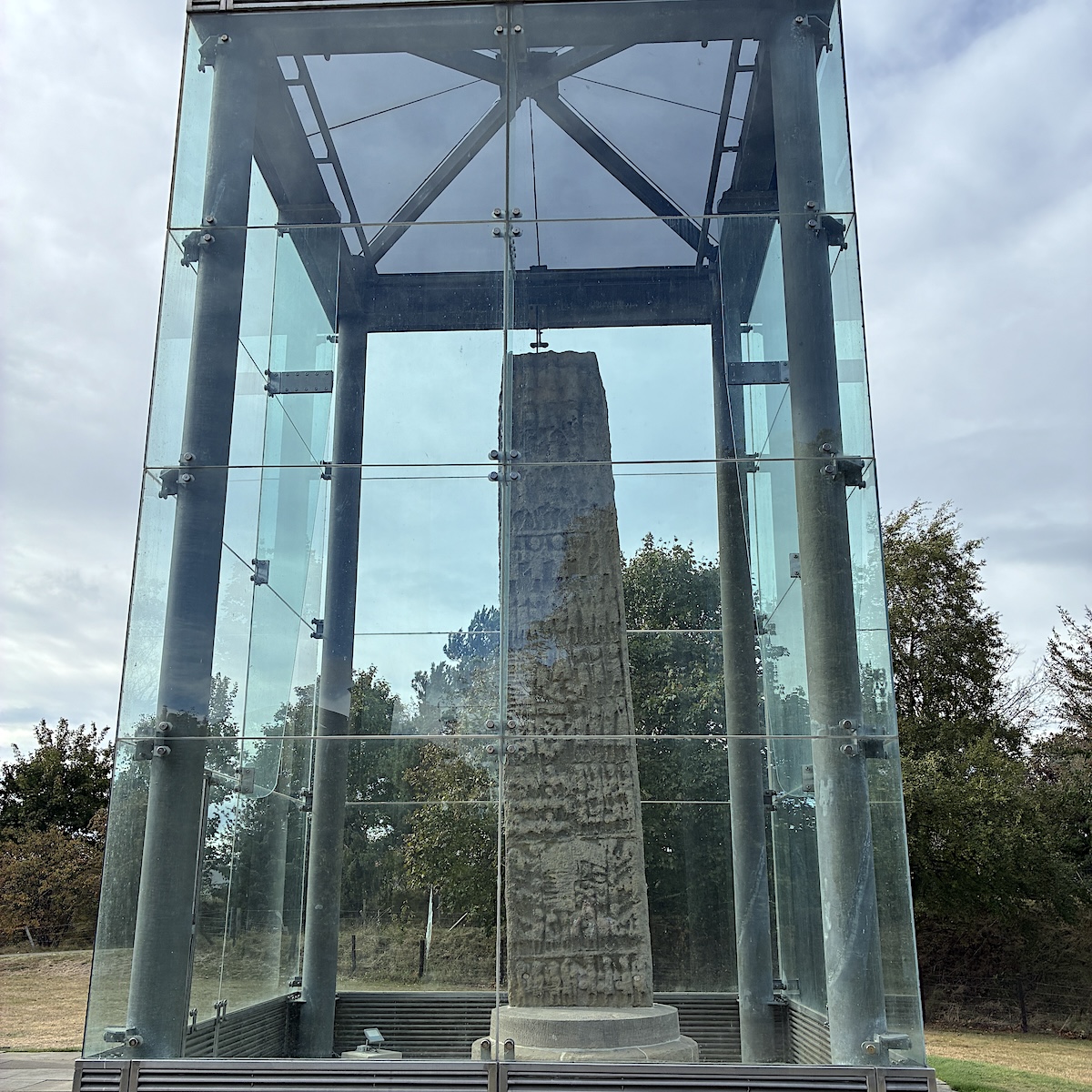
The largest surviving carved Pictish monument is Sueno's Stone, on the edge of Forres in Moray. It stands at over six metres (20 feet) tall and features incredibly detailed, densely packed battle carvings — well worth seeing in person, as no photograph quite captures its scale.
What do the symbols on Pictish stones mean?
The exact meaning remains one of Scotland's greatest historical mysteries. Modern historical consensus suggests they may have functioned as a sophisticated script representing personal names, lineage, tribal alliances, or territorial markers — though no one alive today can read them with certainty, which is half the fascination.
Iconic Pictish heritage sites across the Highlands and Moray
From monolithic battle monuments to highly detailed monastery cross-slabs, the trail of Pictish carvings across the Highlands and Moray is vast. For travellers wanting to bypass standard tourist tracks and discover these cultural masterworks firsthand, these are some of the best locations offering an incredible window into Scotland's early history:
- Sueno's Stone (Forres): Standing over six metres, this is the largest surviving carved Pictish stone in Scotland. Encased in a protective glass pavilion, its surface is densely packed with intricate carvings depicting an epic battle scene.
- Elgin Cathedral Stone (Elgin): Discovered buried beneath the cathedral fields in 1823, this magnificent cross-slab features a distinctively deep Celtic cross ring flanked by intricate hunting scenes, dynamic horsemen, and striking Pictish beast figures.
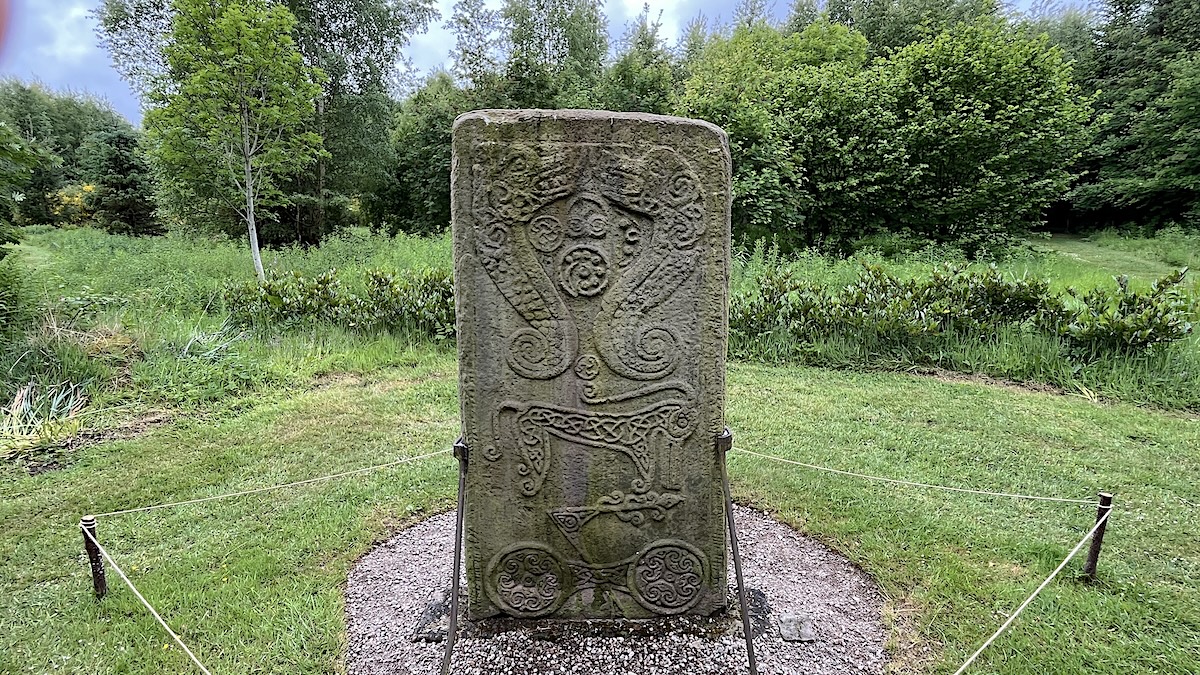
- Rodney Stone (Brodie Castle): Crafted over twelve hundred years ago, this stone has classic features, including a deeply engraved cross alongside distinct Pictish beast symbols and a rare inscription written in the ancient Ogham alphabet.
- Inverness Museum (Inverness): This local collection houses some of the finest early symbol stones. Highlights include the famous 'Ardross Wolf' and 'Ardross Deer' that show the incredible precision of pre-Christian Pictish artists.
- Groam House Museum (Rosemarkie): This heritage hub displays a collection of fifteen carved stone fragments found locally. The jewel of the museum is the Rosemarkie Cross-Slab, a magnificent monument carved on all four sides.
- Nigg Stone (Easter Ross): Preserved inside Nigg Old Church, this cross-slab features a beautifully detailed Christian cross surrounded by complex interlace patterning and carvings that demonstrate the high cultural status of the region.
- Shandwick Stone (Easter Ross): Overlooking the Moray Firth, this magnificent monument acts as a beacon along the coastal trail. Known traditionally as 'Clach a' Charridh', its panels depict real and mythical animals alongside traditional Pictish symbols.
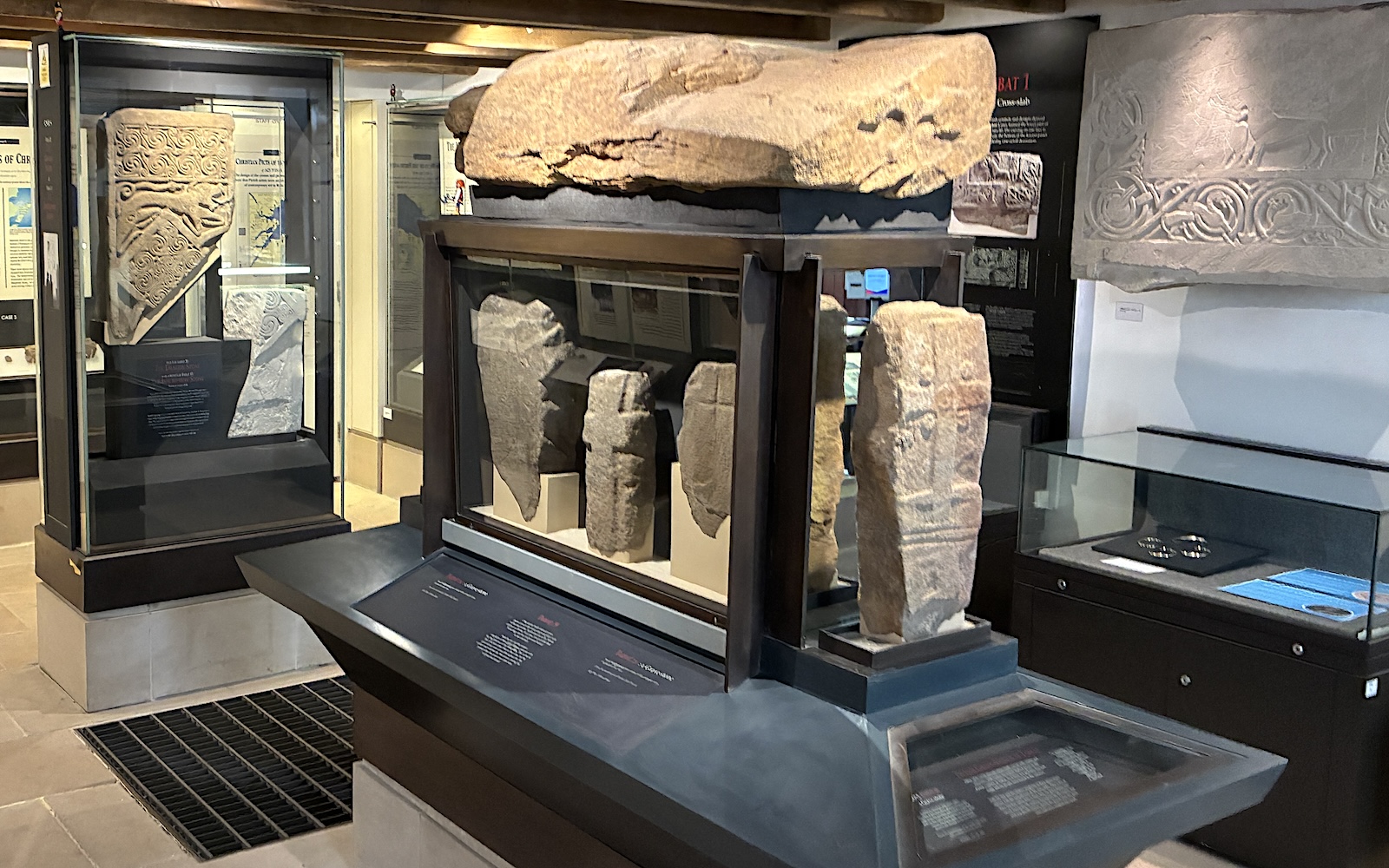
- Tarbat Discovery Centre (Easter Ross): This heritage site is home to the only extensively excavated Pictish monastic settlement in Scotland. The collection includes a stunning array of recovered stone fragments revealing the skills of Pictish monks.
- Edderton Church Stones (Easter Ross): In the church grounds is a magnificent, red sandstone column carved with a fish and a large crescent. Inside the church, you will find a carved cross-slab depicting a detailed carving of two armed horsemen.
- Dunrobin Castle Museum (Golspie): Situated in the gardens of Dunrobin Castle, this private museum contains over twenty preserved stones salvaged across Sutherland, showcasing engravings of fish, mirrors, combs and tuning forks.
- The Eagle Stone (Strathpeffer): Tucked away in the village of Strathpeffer, this small Pictish stone features a cleanly defined carving of an eagle over a crescent symbol. It remains deeply embedded in local Highland lore and old clan prophecies.
How to explore Pictish heritage sites
All of these historic locations can be explored independently by car — with only light walking required to reach each site — if you have the time to plan the logistics.
However, if you prefer a private tour, the multi-day private tours listed below either feature substantial Pictish history or can be adapted to include several Pictish stones heritage sites during our travels:
- 2 Day Pictish and Highland History Tour
- 4 Day Orkney and Highlands Tour
- 5 Day Shetland and Highlands Tour
Simply choose your preferred tour and request a Pictish heritage addition in the 'Extra Information' section when completing a Tour Enquiry Form.
P.S... Pictish stones are often the biggest surprise for visitors. Most have never heard of the Picts before arriving and leave fascinated. My own favourite is the Rodney Stone in the grounds of Brodie Castle with its distinctive twin Pictish sea monsters (see header image) — at least that's what they look like to me!