

Jacobite History and Private Tours from Inverness
The Jacobite Risings left a lasting mark on the history and landscapes of the Scottish Highlands and Islands. From Culloden Battlefield, where the final Rising was defeated in 1746, to Glenfinnan, where Charles Edward Stuart raised his standard in 1745, historic sites across the region tell the story of a struggle that shaped generations of Highland communities.
You can explore Jacobite history on either the 3 Day Isle of Skye and Highlands Private Tour or the 5 Day Isle of Skye and Highlands Private Tour, both departing from Inverness and personally guided by historian John Alasdair Macdonald, PhD.
Both private tours can be tailored to give Jacobite history and heritage a particular emphasis while retaining the character and core itinerary of the chosen tour. The three day tour introduces the history of the Highlands and the Isle of Skye, while the five day tour allows more time to explore Jacobite history across a wider range of Highland locations.
My own research examines the resilience, resourcefulness and agency of Jacobite Gaels in the aftermath of Culloden. With a PhD focused on the Jacobite Gaels, I bring both academic knowledge and nineteen years of guiding experience to the stories of the people, communities and landscapes behind the Risings.
Popular Jacobite heritage sites
The Jacobite story spans several uprisings and decades of political upheaval. The sites below reveal different parts of that history, from the military campaigns to the people who helped the Stuart cause and the communities that lived with its consequences. Many can be visited on my private tours from Inverness.
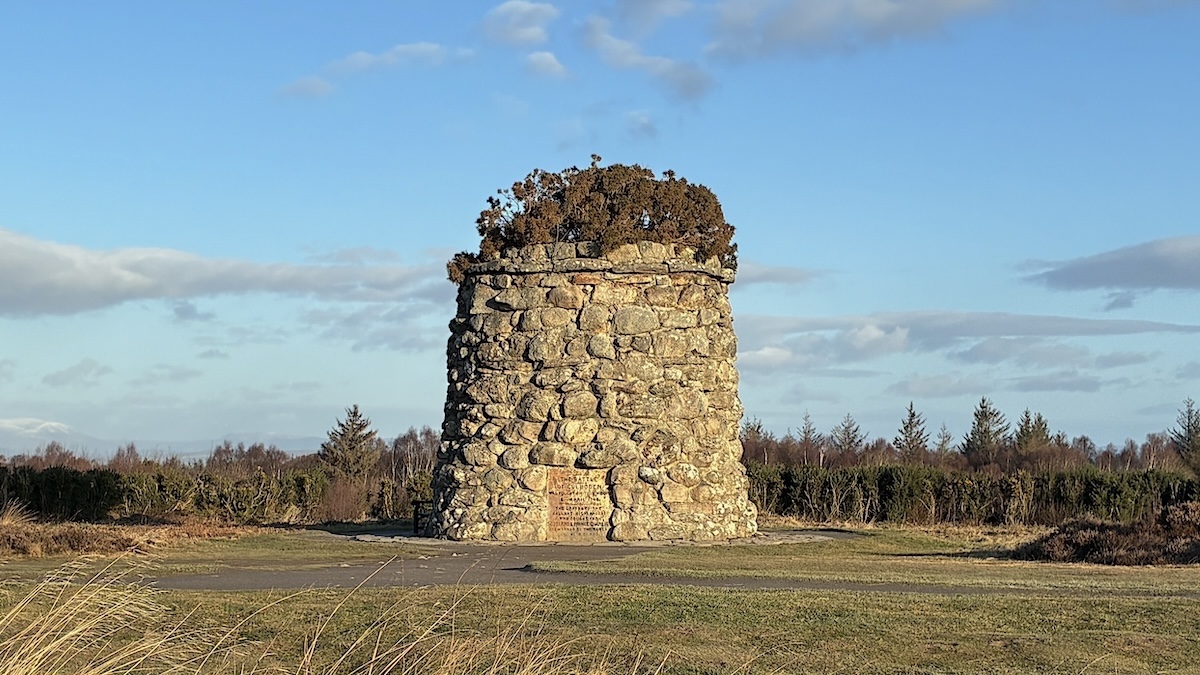
- Culloden Battlefield (3 and 5 day tours): On 16 April 1746, the Jacobite army was defeated on the moorland east of Inverness. The battle brought the final Rising to a decisive end and was followed by severe reprisals against Highland communities. Clan markers at the battlefield commemorate those who died.
- Glenfinnan (5 day tour): At the head of Loch Shiel, Charles Edward Stuart raised his standard in August 1745, beginning his campaign to reclaim the British throne for the House of Stuart. The monument commemorates the Highlanders who joined the Rising.
- Loch nan Uamh (5 day tour): This sea loch near Arisaig is closely associated with the beginning and end of the 1745–46 campaign. Charles Edward Stuart landed on the mainland here in 1745 and departed for exile from the same area in September 1746.
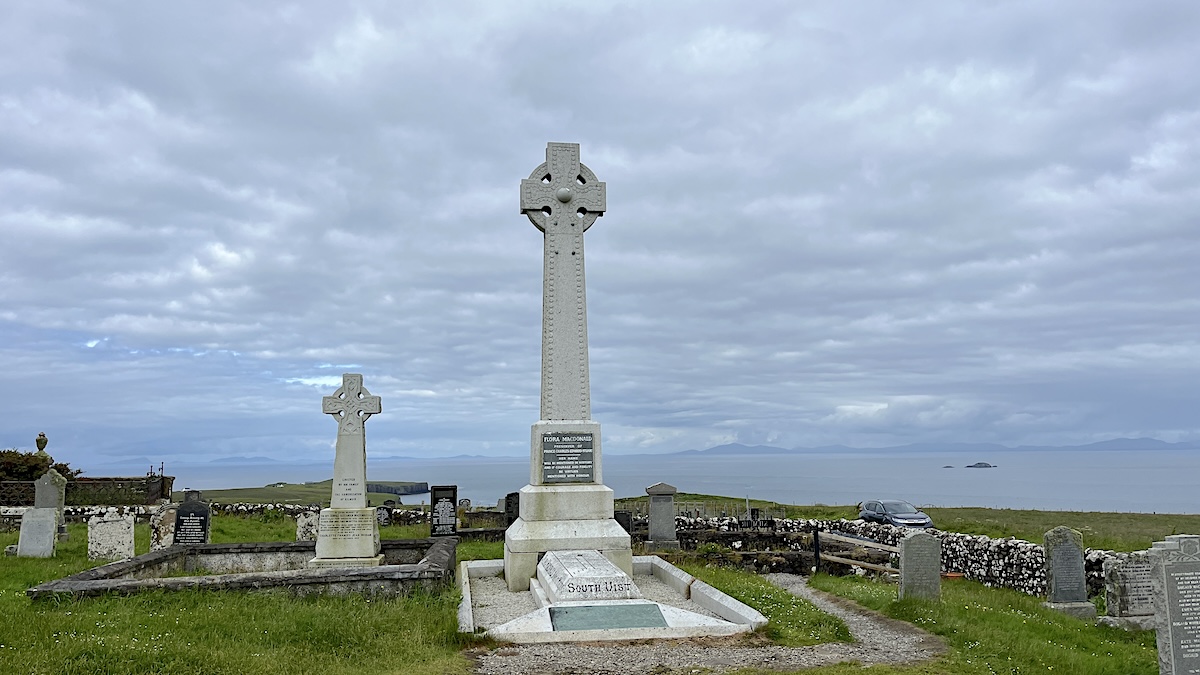
- Kilmuir, Isle of Skye (3 and 5 day tours): Flora Macdonald is buried in Kilmuir on the Trotternish Peninsula. She became famous for helping the Prince escape capture after Culloden by accompanying him across the sea to Skye in the summer of 1746.
- Eilean Donan Castle (5 day tour): During the 1719 Rising, the castle was occupied by Spanish troops supporting the Jacobite cause. Government naval vessels subsequently destroyed much of the stronghold. The castle today is a reconstruction of the earlier building.
- Glen Shiel (5 day tour): In June 1719, Jacobite Highlanders and Spanish troops fought government forces in this mountain pass. The defeat effectively ended the campaign, which had been intended to restore the Stuart monarchy with Spanish support.
- Urquhart Castle, Loch Ness (3 and 5 day tours): The ruins overlooking Loch Ness have a long history of conflict and changing control. In 1692, government forces deliberately destroyed the castle's defences to prevent it from being occupied by Jacobite forces.
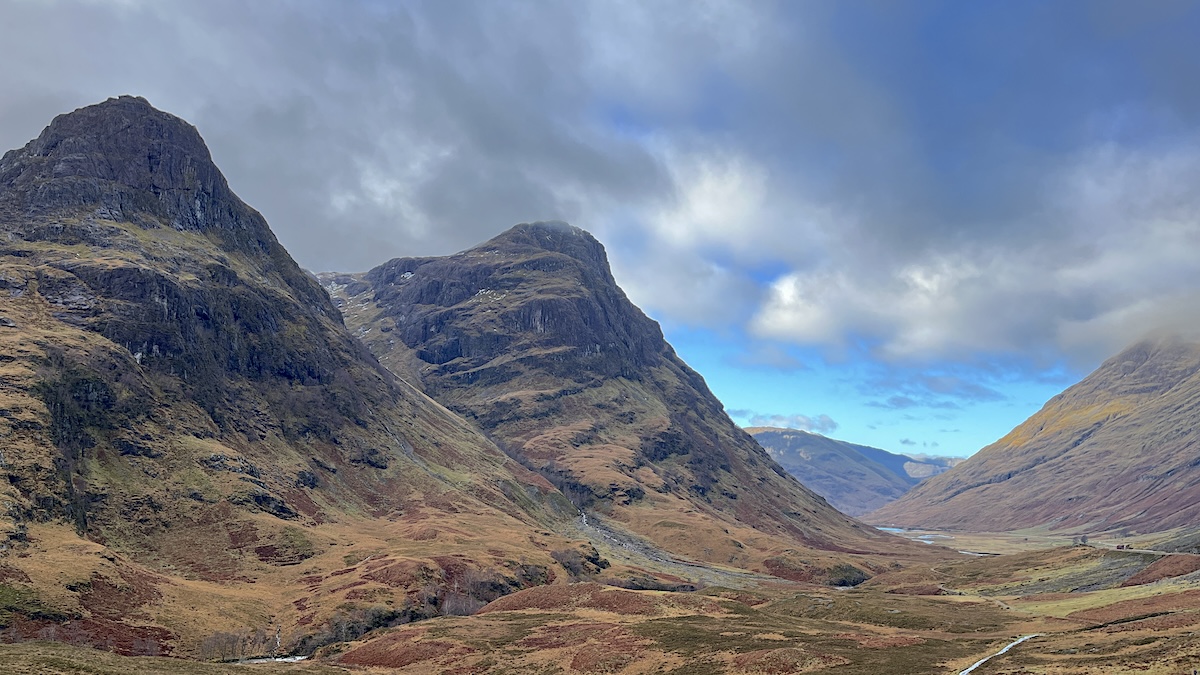
- Glencoe (5 day tour): Best known for the massacre of 1692, Glencoe provides important context for understanding the strained relationship between Highland communities and the government, and its memory contributed to a longer history of mistrust and political grievance.
Explore Jacobite History on a Private Tour
Reading about the Jacobite Risings is one thing; visiting the battlefields, sea lochs and landscapes where the story unfolded brings a different perspective. On a private tour from Inverness, you can explore these places while learning about the people and events that shaped the Highlands.
My doctoral research examines the lives of Jacobite Gaels after Culloden in 1746, looking beyond the defeat itself to the ways individuals and families navigated its social, economic and political consequences. With nineteen years of guiding experience, I can place the well-known events within a wider historical context and adapt the emphasis to your particular interests.
3 Day Isle of Skye and Highlands Tour
A good introduction to Jacobite history, with the opportunity to explore Culloden and the Isle of Skye, including the story of Flora Macdonald. This shorter tour is well suited to visitors who want to combine Highland scenery with key historical sites.
5 Day Isle of Skye and Highlands Tour
The longer itinerary allows more time to explore Jacobite-related locations such as Glenfinnan, Glencoe and the wider West Highlands, alongside Culloden and Skye. It offers greater scope to connect Jacobite history with the landscapes, clans and communities involved.
Simply choose your preferred tour and request a Jacobite history focus in the 'Extra Information' section when completing a Tour Enquiry Form.